A model that wins on a benchmark is not the same as a model that works in a hospital, a bank or a factory. Artificial intelligence conferences are where that gap gets closed: researchers present new methods, engineers stress-test them, and founders and policymakers ask the hard question, "Will this work in the real world?"
Here is how these events link the lab to the market, and how you can get more out of them.
⚡ Quick Takeaways
- Papers put new methods through peer review before anyone builds on them.
- Industry tracks and demos show what actually survives contact with real data.
- Workshops and hallway talks create the collaborations that become products.
- Ethics and policy sessions shape how AI is deployed responsibly.
📄 1. Peer-Reviewed Papers Set the Foundation
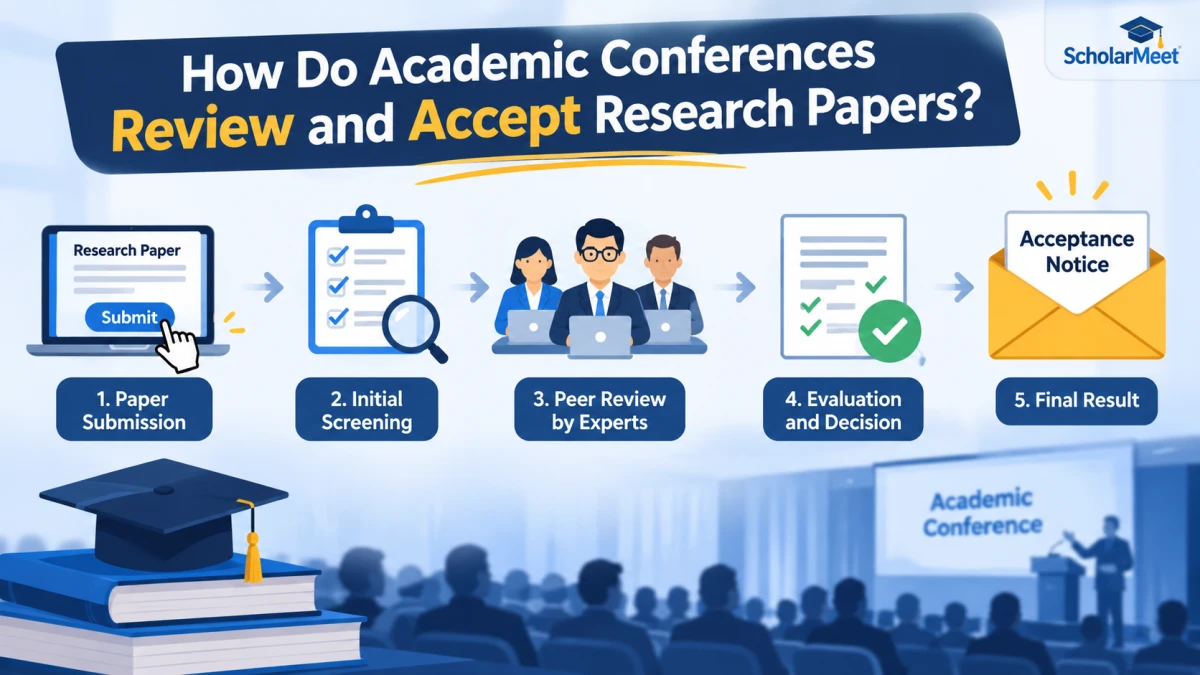
Every strong application starts with a method others have checked. At an AI conference, a paper goes through review, rebuttal and public questioning. By the time a technique reaches the main program, its claims, datasets and limits have been challenged by experts.
That filter matters to practitioners. Instead of trusting a blog post or a press release, a team can build on work that has already survived scrutiny, and reproduce it from the shared code and data that many venues now encourage.
🏭 2. Industry Tracks Bring Real Constraints Into the Room
Academic benchmarks are tidy. Production data is not. Industry and applied tracks give engineers from healthcare, finance, logistics, energy and education a stage to explain what went wrong when a model left the lab: noisy data, latency limits, cost, compliance, drift.
Researchers leave with new problems worth solving. Practitioners leave with methods they can try. Both sides learn faster than they would alone.
🧪 3. Demos and Poster Sessions Let You Test Ideas Hands-On
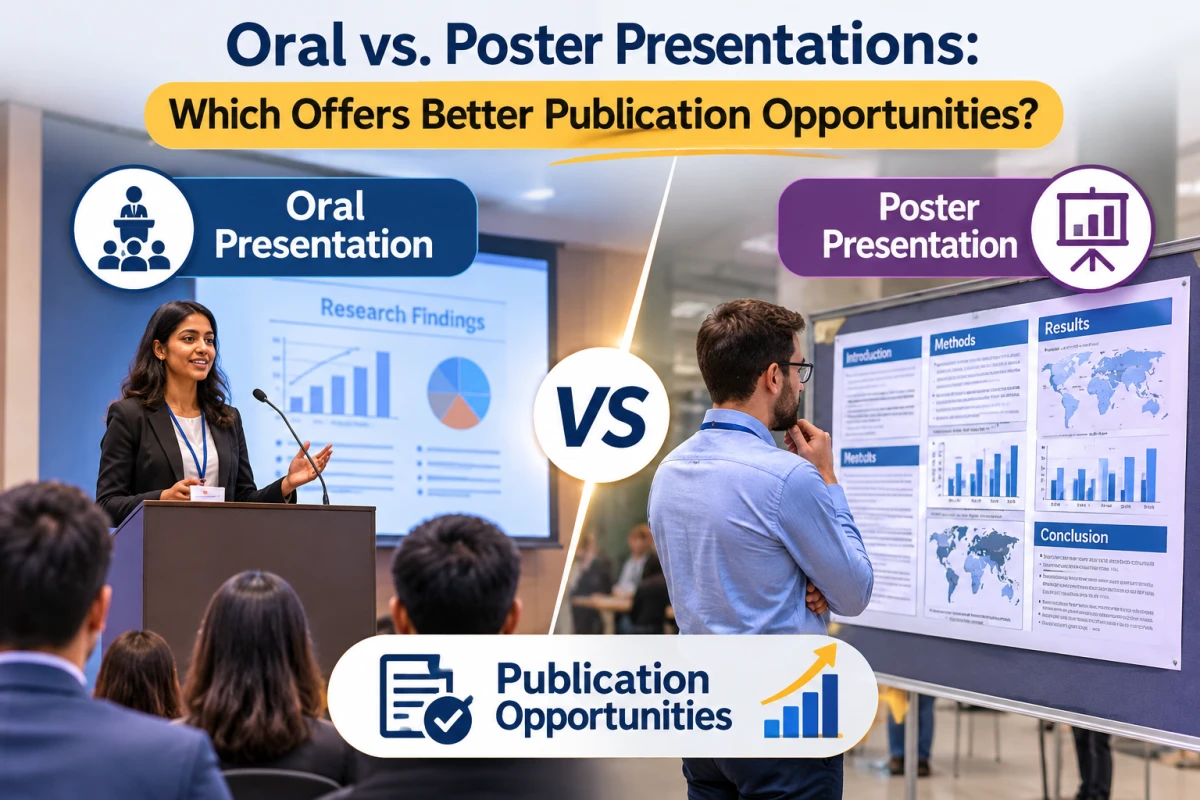
Seeing a system run beats reading about it. Live demos, poster sessions and exhibition floors let attendees question the authors directly, try the tool, and judge how ready it is.
- Posters: unfinished ideas get honest feedback early.
- Demos: prototypes show their rough edges, which is exactly what a buyer needs to know.
- Exhibitions: startups and labs meet the people who might adopt, fund or partner with them.
🤝 4. Networking Turns Contacts Into Collaborations
Many of the most useful AI partnerships begin over coffee. A PhD student meets a product lead who has the exact dataset their method needs. A startup founder finds a professor who can validate their approach. A hospital team finds the group that built the model they were about to reinvent.
Conferences compress months of cold emails into a few days of focused conversation, and they put people from different institutions and countries in the same room.
📊 What Each Part of a Conference Delivers
| Session type | Best for | Real-world payoff |
|---|---|---|
| Research papers | Researchers, grad students | Vetted methods to build on |
| Industry tracks | Engineers, product teams | Lessons from live deployments |
| Workshops & tutorials | Anyone upskilling | Practical skills and tooling |
| Demos & posters | Early-stage teams, startups | Feedback, pilots, partners |
| Policy & ethics panels | Leaders, regulators, researchers | Responsible, compliant deployment |
🌍 5. Applications Across Industries
The same conference floor often hosts work that will reach very different fields:
- Healthcare: imaging models, clinical decision support, drug discovery.
- Education: adaptive learning, automated feedback, accessibility tools.
- Finance: fraud detection, risk modeling, document processing.
- Climate and energy: forecasting, grid optimization, satellite analysis.
- Language and vision: translation, search, assistants, robotics perception.
⚖️ 6. Ethics, Safety and Policy Keep Progress Accountable
Real-world AI affects real people, so leading conferences now include sessions on fairness, privacy, safety, transparency and regulation. These discussions put researchers, lawyers and policymakers side by side, and they influence how the next generation of systems is designed, tested and governed.
🎯 How to Get the Most Out of an AI Conference
- Pick sessions that match one concrete problem you are trying to solve.
- Read the papers you care about before the talk, then ask one sharp question.
- Visit the industry track even if you are an academic, and the reverse.
- Collect contacts, then follow up within a week while the conversation is fresh.
- Submit your own work. Feedback from reviewers is worth the deadline.
🔎 Find the Right AI Conference
With so many events each year, the hard part is choosing. ScholarMeet lets you browse upcoming artificial intelligence, machine learning and data science conferences by country, city and category. Compare dates and fees, check calls for papers, and register or submit your paper in one place.
❓ Frequently Asked Questions
Why are AI conferences important for real-world applications?
They put new research in front of engineers, companies and policymakers who can test it, adapt it and deploy it, while reviewers and critics point out its limits first.
Can industry professionals benefit if they are not researchers?
Yes. Industry tracks, tutorials, demos and networking give practitioners early access to methods, tools and talent without having to read every paper.
Should I submit a paper or just attend?
If you have results to share, submit. Review feedback and a presentation slot raise your visibility. If not, attending still gives you learning and contacts.
Are virtual AI conferences as useful as in-person ones?
Virtual events are cheaper and open to more people, and they are strong for talks. In-person events usually win on hands-on demos and spontaneous collaboration.